

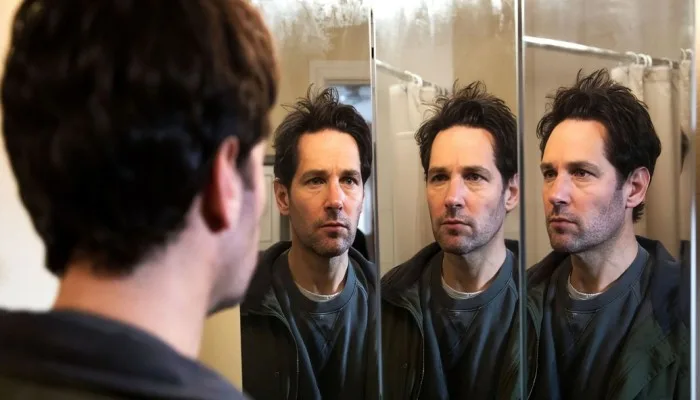
Have you ever wondered what it would be like to meet a better version of yourself? That’s exactly what happens in the show Living With Yourself, starring Paul Rudd. In this series, Paul plays a man named Miles who is unhappy with his life. He visits a mysterious spa that promises to make him a better person, but things take a strange turn. Instead of just improving him, the spa creates a clone—a perfect version of Miles. Suddenly, he has to live with another version of himself, which leads to funny, confusing, and sometimes emotional moments.
This article will explore the theory behind Living With Yourself, explain the ending in a simple way, and show why Paul Rudd’s performance makes the show so unique.
What is Living With Yourself About?
Living With Yourself tells the story of Miles, a man who is unhappy with his job, his love life, and himself. He feels stuck in life and wants to be a better person. When he finds a mysterious spa promising to make him the best version of himself, he decides to try it. But instead of just helping him, the spa creates a clone of Miles.
Now, there are two versions of him living in the same world. The original Miles struggles with jealousy, confusion, and fear, while the clone seems perfect in every way. This strange situation creates a mix of funny, dramatic, and emotional moments. The show combines science fiction, comedy, and real-life lessons about identity and happiness.
Key points about the show:
-
The clone is better at work and life but lacks real emotions.
-
Miles has to learn what makes him unique and valuable.
The Theory Behind the Show
The main theory behind Living With Yourself is about identity, self-improvement, and happiness. It asks simple but deep questions:
-
Can we become better people without changing who we are inside?
-
What happens when we try to copy someone else to be perfect?
The show suggests that real improvement comes from accepting yourself, not replacing yourself. Miles’ clone is “perfect,” but he is not happy. The story teaches that trying to be flawless can make life confusing and lonely.
The series also explores relationships. When Miles’ clone takes over parts of his life, people notice changes in his behavior. The show shows how honesty, real emotions, and imperfections are what make relationships strong.
How the Ending of Living With Yourself Works
The ending of Living With Yourself can be tricky to understand at first, but it makes sense when you focus on the main lesson. Here’s the simple breakdown:
-
Miles and his clone exist at the same time.
-
The clone seems perfect, but he does not have real feelings.
-
Miles realizes that being real is more important than being perfect.
-
In the end, Miles accepts himself and finds a balance with the clone.
The show’s ending tells a clear message: happiness comes from being yourself. Trying to be perfect or copying someone else doesn’t lead to real satisfaction. This is a key idea that makes the show meaningful and memorable.
Why Paul Rudd Shines in This Role
Paul Rudd is known for his comedy and charm, but in Living With Yourself, he shows he can do much more. Playing both Miles and his clone is not easy, but Paul makes it feel natural. He uses small differences in voice, expressions, and body language to make the two characters distinct.
-
He brings humor to serious moments.
-
His performance makes the story relatable and real.
Fans of Paul Rudd love this role because it shows a new side of him. He is not just funny; he also makes you care about the struggles of his character. His acting helps the audience connect with the story and its message about life and happiness.
Key Themes in Living With Yourself
The show covers several themes in a way that is easy to understand:
-
Identity: Who are you really? Are you happy being yourself?
-
Self-improvement: Trying to be better is okay, but it must come from inside, not from copying someone else.
-
Relationships: Being perfect doesn’t make you a better friend, partner, or family member.
-
Happiness: Real happiness comes from accepting who you are, flaws and all.
These themes make the show more than just a comedy or sci-fi story. People who feel stuck in life, want to improve, or struggle with self-acceptance can relate to Miles’ journey.
Important takeaway:
-
Happiness is about being yourself, not a better version of yourself.
-
Real improvement comes from small changes, not from cloning or perfection.
Why Fans Keep Talking About the Show
Living With Yourself is memorable because it blends humor with deep life lessons. The clone twist makes it exciting, and Paul Rudd’s performance keeps it engaging.
Some reasons why the show is popular:
-
The story makes you think about your own life and choices.
-
The humor keeps the show light even when dealing with serious topics.
Fans also enjoy guessing what will happen next. Watching it more than once gives a better understanding of the story and themes. Many viewers say it’s a show that stays with you even after finishing it.
Conclusion
Living With Yourself is a unique show that mixes science fiction, comedy, and life lessons. Paul Rudd shines in his role as both Miles and his clone. The story teaches us that trying to be perfect is not the key to happiness. Accepting yourself, flaws and all, is what truly matters.
The ending shows that even if life is messy or confusing, being honest, real, and self-aware is the best path. If you haven’t watched it yet, give it a try. It’s funny, thought-provoking, and easy to relate to. Living With Yourself is a show that will make you laugh, think, and maybe even look at your own life a little differently.
FAQs
Q1: What is Living With Yourself about?
A1: The show is about a man named Miles, played by Paul Rudd, who is unhappy with his life. He tries a treatment to become better, but it creates a clone of him. The story follows both Miles and his clone as they deal with life, love, and work.
Q2: Who plays the main character in the show?
A2: Paul Rudd plays the main role. He also plays the clone, showing two very different sides of the same character.
Q3: Is the clone better than the original Miles?
A3: The clone seems perfect, but he is missing real emotions. The show shows that perfection isn’t always good.
Q4: How does the show end?
A4: In the end, Miles accepts himself. He learns that being real, with flaws, is better than trying to be perfect.
Q5: Is Living With Yourself funny or serious?
A5: It is both. The show has funny moments and also serious lessons about life, identity, and happiness.