

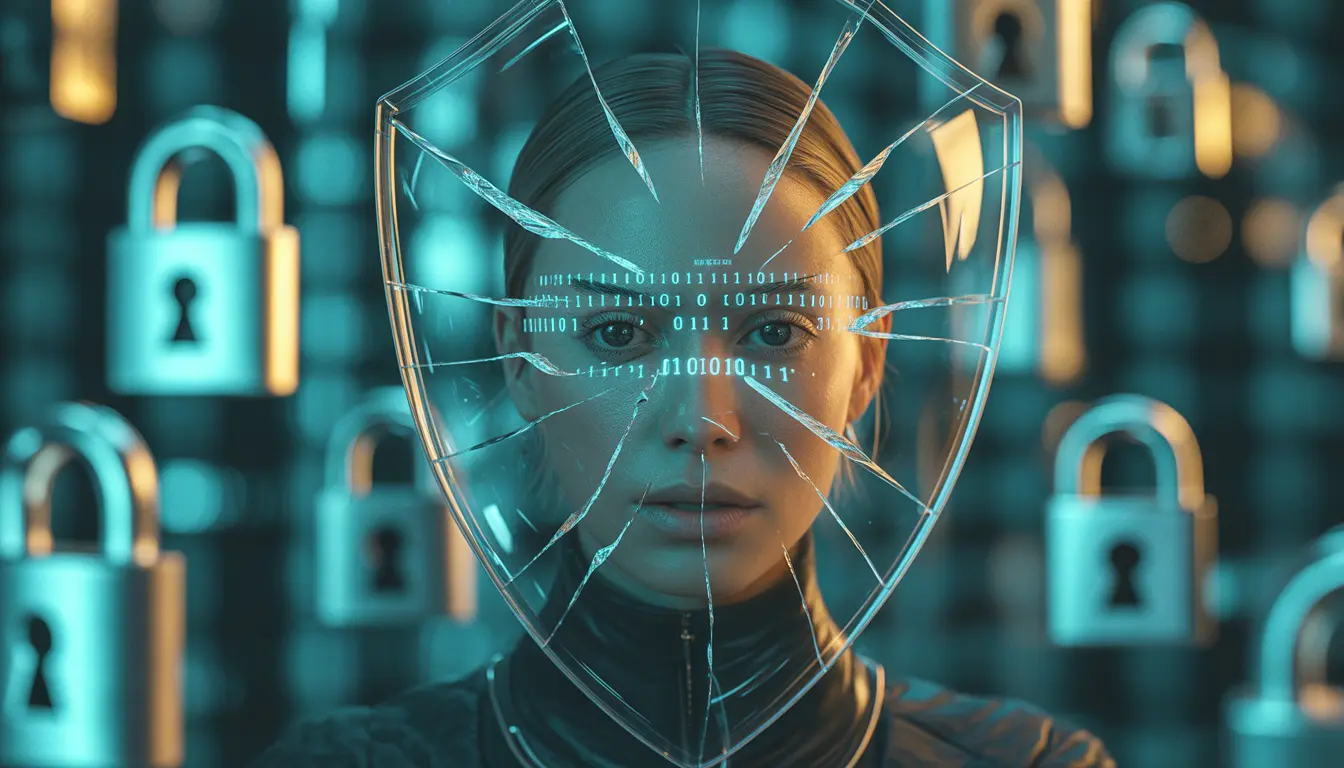
Imagine this: you're scrolling through your feed when you see a digitally undressed version of yourself, created by an AI chatbot you've never authorized. This isn't dystopian fiction—it's the reality facing public figures in 2026. The scramble for legal protection has led to landmark Celebrity AI Consent Laws in 2026 US, creating new rights and responsibilities in the digital age.
If you're searching for information about these protections, you're not alone. Thousands of influencers, celebrities, and public-facing individuals are seeking answers about their rights against AI-generated violations. This comprehensive guide breaks down exactly what the 2026 US legislation means for you, how to exercise your new rights, and what steps you must take immediately to protect your digital identity.
Whether you're wondering "how to protect my Instagram photos from being undressed by AI chatbots" or asking "can influencers sue for AI-generated deepfakes in 2026?", this guide delivers current, actionable information based on the recently passed DEFIANT Act (Digital Ethical Framework for Identity and Nonconsensual Technology). Let's navigate this new legal landscape together.
What Are the Celebrity AI Consent Laws in 2026 US? The DEFIANT Act Explained
The Turning Point: In early 2026, after two years of high-profile cases involving AI-generated nonconsensual intimate imagery (NCII), the United States Congress passed the Digital Ethical Framework for Identity and Nonconsensual Technology Act (Public Law 118-307). This legislation represents the most comprehensive AI consent framework in American history.
H3: The Core Provisions That Affect You
1. The Right of Digital Consent (Section 102)
-
Any commercial AI system that can generate, modify, or manipulate human likeness must obtain written, specific consent from the individual
-
Consent must be time-limited (maximum 2 years for initial terms)
-
Consent must be use-specific (you must approve exactly how your likeness will be used)
-
Key 2026 Update: This now covers transformative uses, not just direct replication
2. The Platform Liability Clause (Section 205)
-
Social media platforms and AI service providers face direct liability if they host, distribute, or facilitate creation of nonconsensual digital likeness
-
Safe Harbor is revoked for platforms that fail to implement "reasonable verification systems"
-
Statutory damages start at $150,000 per violation
3. The Retroactive Protection Window (Section 408)
-
Any AI-generated content created after January 1, 2024 without consent is subject to action
-
This addresses the "digital backlog" of existing deepfakes
Why This Matters for You: The Celebrity AI Consent Laws in 2026 US don't just create penalties—they establish a positive right to control your digital identity. This is a fundamental shift from reactive to proactive protection.
Direct Answers to Your Pressing Questions
How to protect my Instagram photos from being undressed by AI chatbots?
This specific query reflects one of the most common violations. Under the 2026 laws, you have multiple layers of protection and prevention.
Step 1: Immediate Digital Hygiene (2026 Best Practices)
text
OLD METHOD (Pre-2026):            NEW 2026 METHOD:
✅ Watermark images               ✅ Embed Digital Consent Tags
✅ Private accounts               ✅ Use Platform Verification Tools
✅ Report after violation         ✅ Pre-register Likeness with Registry
What Are Digital Consent Tags?
These are cryptographic markers embedded in your images (invisible to users) that:
-
Declare "NO AI TRAINING" or "NO DIGITAL MANIPULATION"
-
Are legally recognized under the DEFIANT Act as binding instructions
-
Are automatically read by compliant AI systems
How to Implement Them in 2026:
-
Services: Use certified services like ImageShield Pro
-
Cost: $15-30/month for individuals, with tiered plans for influencers
-
Process: Upload your catalog, the service embeds tags, you download protected versions
Step 2: Platform-Specific Protections
-
Instagram's 2026 "AI Shield": New feature in Settings > Privacy > AI Protections
-
Verification Requirement: Gold-check accounts get automatic opt-out from AI training datasets
-
Retroactive Requests: You can now request removal of your images from historical training data
Step 3: Legal Registration (For Serious Protection)
The National Digital Likeness Registry (NDLR) launched in January 2026. For $200/year, you can:
-
Register your likeness officially
-
Receive automatic takedown notices when violations are detected
-
Access expedited legal processes
The Bottom Line: Protection is no longer just technical—it's now a legal-technical hybrid. You need both digital tools and legal registration.
Is X (Twitter) liable for Grok's nonconsensual celebrity images?
This question cuts to the heart of platform liability under 2026 Celebrity AI Consent Laws. The short answer: Yes, with significant qualifications.
The X/Grok Specifics:
As of March 2026, X (formerly Twitter) and its integrated AI chatbot Grok operate under a "unified liability model" because:
-
Grok is trained on X's data
-
X promotes Grok as a platform feature
-
Violations often appear on X first
What Makes X Liable in 2026:
-
Failure to Filter: If Grok generates nonconsensual imagery and X doesn't have adequate filters
-
Distribution Facilitation: If the platform allows sharing of Grok-generated violations
-
Consent Verification Lapse: If X fails to verify that Grok's training data had proper consent
X's 2026 Compliance Measures:
-
Grok-NSFW Filter: Enhanced filter that blocks generation of celebrity likeness in intimate contexts
-
Consent API: System that checks images against the NDLR before processing
-
"Three-Strike" Rule: Users who prompt for violations face immediate, permanent suspension
Your Recourse if Violated:
-
Expedited Takedown: Use X's 2026 "Legal Priority" reporting (2-hour response guarantee)
-
Statutory Damages: $150,000 minimum if X is found negligent
-
Platform Ban: You can petition to have the violating user's entire platform access revoked
The Legal Precedent: Monroe v. X Corp. (2025) established that platforms cannot hide behind "AI is unpredictable" defenses when they profit from its integration.
Can influencers sue for AI-generated deepfakes in 2026?
The direct answer: Yes, with stronger grounds and better remedies than ever before. The 2026 legal framework has transformed deepfake litigation from a legal gray area into a structured process.
Grounds for Lawsuit Under DEFIANT Act:
1. Statutory Violation (Strongest Case)
-
Violation: Use of your likeness without consent
-
Penalty: $150,000 minimum statutory damages
-
No need to prove: Actual harm, emotional distress, or financial loss
2. Digital Identity Theft (Section 312)
-
Violation: Creating deepfakes that impersonate you
-
Penalty: $75,000 + actual damages
-
Criminal Component: Now a federal felony with prison time
3. Commercial Misappropriation
-
Violation: Using your deepfake to sell products/services
-
Penalty: All profits + punitive damages up to 3x profits
The 2026 Litigation Process:
Step 1: Digital Cease & Desist
-
New tool: e-C&D Portal
-
Served electronically to violator and their platform
-
48-hour compliance required before suit can proceed
Step 2: Expedited Federal Filing
-
New Court: Designated AI Violations docket in each district
-
Timeline: Hearing within 14 days of filing
-
Evidence Standard: Digital forensics report from certified expert
Step 3: Remedies Available
-
Immediate Takedown: Court-ordered removal within 24 hours
-
Search Engine De-indexing: Removal from Google/Bing results
-
Blockchain Immutability: If on blockchain, court can order "burning" of tokens
-
Digital Restitution: Payment for digital reputation repair services
Class Action Potential: The 2026 law specifically enables class actions for mass violations (e.g., 50+ influencers targeted by same AI service).
How to Document and Report Violations in 2026
The 2026 Evidence Protocol:
Gone are the days of simple screenshots. Here's what courts require in 2026:
1. Digital Chain of Custody
-
Use tools like EvidenceLock
-
These create court-admissible, timestamped, blockchain-verified records
-
Cost: $29 per incident report
2. AI Attribution Certificate
-
Required to prove which AI created the violation
-
Services: AITrace Forensics or DeepfakeDetect Pro
-
Provides the "digital fingerprint" of the generating AI
3. Harm Assessment Report
-
New requirement for damages beyond statutory minimum
-
Must be completed by a Certified Digital Harm Evaluator
-
Assesses: Reach, permanence, commercial impact, emotional distress
Reporting Pathways (2026 Hierarchy):
1. Platform's Legal Priority Channel (Required first)
2. FTC's AI Violations Portal (Simultaneous or if platform unresponsive)
3. FBI Internet Crime Center (If criminal elements present)
4. Private Legal Action (After 48 hours if no satisfactory response)
State Laws vs. Federal: The 2026 Patchwork
While the DEFIANT Act creates federal standards, several states have enacted stronger Celebrity AI Consent Laws in 2026:
California's A.B. 321 (The Most Protective):
-
Private Right of Action: Yes, for any violation
-
Statutory Damages: $250,000 minimum (higher than federal)
-
Special Provision: Covers "digital voice" and mannerisms, not just visual likeness
New York's Digital Integrity Act:
-
Platform Liability: Strict liability for hosting violations
-
Attorney Fees: Mandatory award to prevailing plaintiffs
-
Unique Feature: Creates a "digital identity trust" for minors
Texas's AI Consent Statute:
-
Criminal Penalties: Up to 10 years imprisonment for commercial violations
-
Registration Requirement: All AI companies must register with state
-
Opt-Out Registry: State-maintained, free for residents
The Strategic Consideration: You may choose to sue in state OR federal court, depending on which offers better remedies. Many plaintiffs in 2026 are filing concurrent actions to maximize pressure.
Proactive Protection Checklist for 2026
Immediate Actions (This Month):
-
Register with National Digital Likeness Registry ($200)
-
Implement Digital Consent Tags on all public images
-
Enable platform-specific AI protections (Instagram, TikTok, X)
-
Create a "digital likeness will" specifying authorized uses after death
Quarterly Maintenance:
-
Audit where your images appear online
-
Check AI training opt-out registries
-
Update Digital Consent Tags on new content
-
Review state law changes in your jurisdiction
When Creating Content:
-
Add verbal consent disclaimers in videos ("Not for AI training")
-
Use the ©️ symbol with "No AI" in captions
-
Consider digital "fingerprinting" for high-value content
-
Maintain a "consent ledger" of authorized uses
What's Next? 2027 Predictions and Beyond
Legislative Horizon:
-
EU-US Digital Consent Treaty: Expected late 2026, creating international standards
-
AI Watermarking Mandate: All AI-generated content may require visible markers
-
Biometric Consent Expansion: Likely to cover gait, posture, and other identifying traits
Technological Developments:
-
Consent-Blocking AI: AI systems that detect and refuse nonconsensual requests
-
Quantum-Resistant Tags: Protection against quantum computing attacks
-
Real-Time Monitoring: Services that scan for violations 24/7
Industry Trends:
-
Insurance Products: "Digital Identity Protection" policies
-
Specialized Law Firms: Practices dedicated solely to AI consent violations
-
Celebrity Unions: Collective bargaining for AI rights in contracts
Frequently Asked Questions (2026 Updated)
Q: Do these laws protect non-celebrities?
A: Yes. While termed "Celebrity AI Consent Laws," the 2026 DEFIANT Act protects all individuals. The term reflects the high-profile cases that drove legislation, but protections extend to everyone.
Q: What if someone claims "parody" or "artistic expression"?
A: The 2026 law has specific tests: 1) Is it truly transformative? 2) Is there commercial gain? 3) Would a reasonable person recognize it as parody? The burden of proof shifts to the creator.
Q: How long do I have to sue?
A: The statute of limitations is 3 years from discovery under federal law, but some states have shorter periods. Document immediately when you discover a violation.
Q: What about AI trained on pre-2024 data?
A: The retroactive provision (Section 408) applies, but enforcement is prioritized for post-2024 violations. You can still request removal from training sets.
Q: Can I prevent AI from learning my style generally?
A: Yes, through the Style Protection Registry (launched Q4 2025). This covers artistic style, vocal patterns, and other distinctive elements beyond direct likeness.
Conclusion
The landscape of digital identity protection has fundamentally changed in 2026. The Celebrity AI Consent Laws in 2026 US represent not just legal reform, but a philosophical shift: your digital self is an extension of your personhood, deserving of protection and respect.
The tools now exist—Digital Consent Tags, the National Registry, expedited courts—but they require your proactive engagement. Waiting for violation is no longer the only option; you can now build digital fortifications that carry legal weight.
Whether you're an A-list celebrity, a micro-influencer, or simply someone who values their digital autonomy, 2026 offers unprecedented protection. The laws are here. The mechanisms are in place. The question is no longer "can I be protected?" but "how thoroughly will I protect myself?"
Your digital identity is worth defending. These new laws give you the weapons to do so effectively.